
Advisor Succession
Founders Should Plan A Legacy, Not Simply An Exit
First Design A Vision For The Firm’s And Founder’s Future Including Family, Clients, Employees And Community, Then Design The Deal To Achieve That Vision
By Larry Roth, Joe Kuo, Julius Buchanan, and Thomas Lee
Published: June 8, 2026 • 18 min read • 27 min listen

Succession planning for advisory firm founders and owners should not begin with a transaction, but with the establishment of a legacy. Owners should first define their vision for themselves and their families, clients, employees and communities. After those fundamental choices, they should follow a framework of practical steps, including assembling legal, tax and estate advisors; evaluating transaction structures; enhancing valuation; and preparing for execution.
RIA M&A has grown steadily for years with no end in sight. If you own a financial advisory firm, the issue isn’t whether a buyer exists. It’s which path to choose.
A 2025 Kestra Holdings survey found that 75% of first-generation advisors do not have a formal leadership transition plan and 76% have not mapped out a timeline for transitioning client relationships. It also found that 58% have not given any equity to their successors. In other words, for most advisors, succession remains more abstract than actionable.
The industry talks often about the mechanics of succession, but far less about the real-life considerations that would help owners feel ready to confront it. Advisors don’t just build businesses, they build legacies, and the decisions they make about succession will deeply impact them.
This article explores succession from both the mechanical side and the personal side, offering a framework for navigating both. It addresses the technical realities of assembling a team of experts, choosing deal structures, calculating valuations and identifying appropriate buyers, but starts by addressing the crucial and often overlooked legacy issues for the founders and owners, as well as their families, clients, employees and communities.
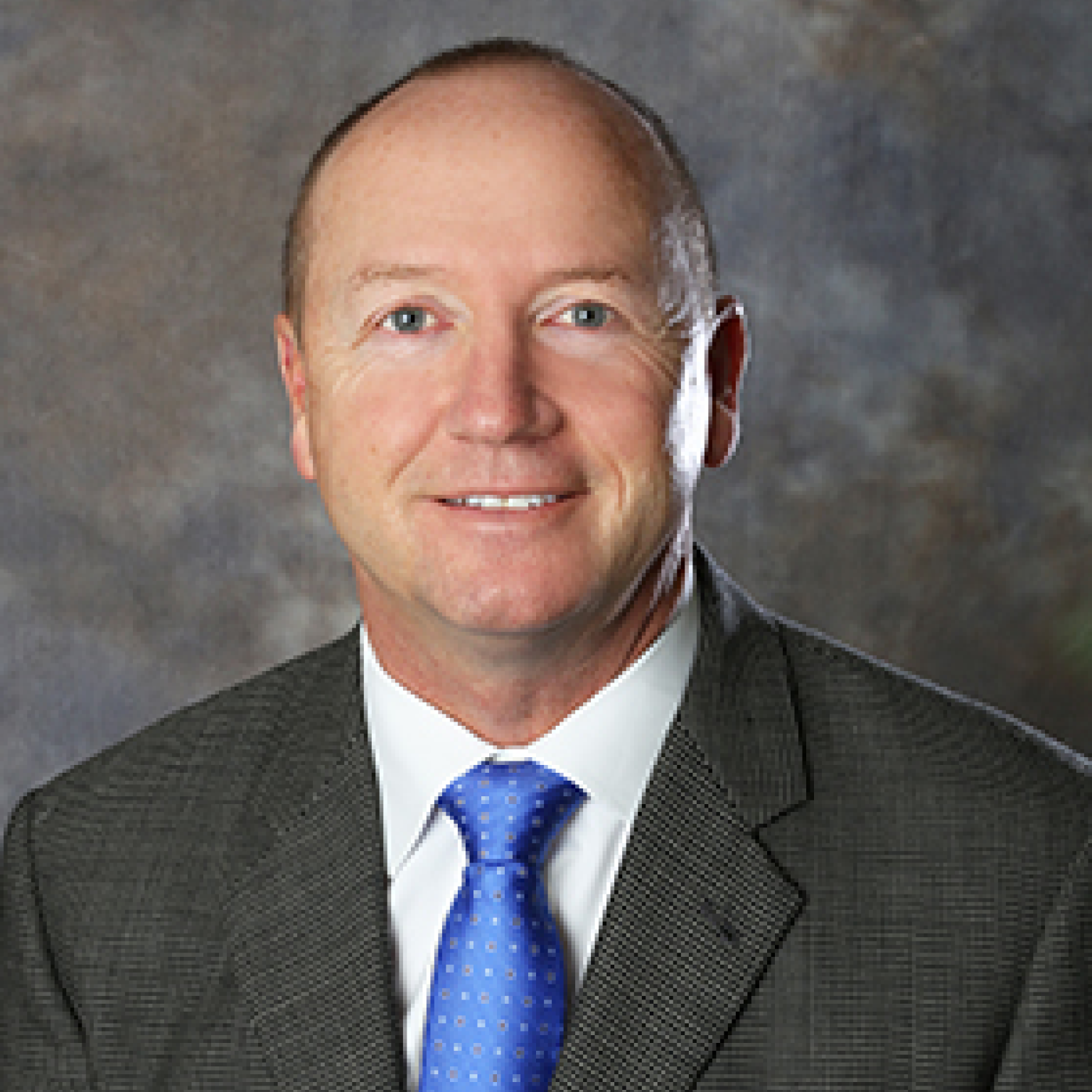
Thomas Goodson, Founder and CEO, The AmeriFlex Group
“This is a personal business – and advisors take this all very personally,” said Thomas Goodson, Founder and CEO of The AmeriFlex Group. “For decades, most advisors have been their own bosses, leading their clients through the complexities of securing their families’ financial future. They often do not want to give that up. Additionally, no one wants to admit they are getting old. It’s hard to admit that there are likely more days behind us than in front.”
Step One: Build A Vision Around The People Who Matter
Many founders and owners go into wealth management because they enjoy helping people. The businesses they build are not abstract – they’re grounded in the reality of the founders’ and owners’ lives, their families, the clients and employees who count on them and the communities they live in.
Founders and owners often recoil at discussions that jump straight into numbers and deal structure because it skips past a thoughtful examination of legacy as the end point. The missing key to begin succession planning is conversations about not what but who is important.
Founders And Owners
For founders and owners, the central question is: What does life look like afterward?
In a gradual transition, they may remain visible to clients, attend key meetings and mentor younger advisors for years. In a quick exit, they may step away entirely within 12 to 24 months. In either case, clarity matters. Ambiguity about the first generation’s ongoing role can unsettle clients, employees and successors.
Just as important is envisioning life beyond the firm. Some pursue philanthropy, community leadership, board service or pro bono advisory work. Others rediscover family, travel or entirely new business ventures. Without a clear sense of purpose, second thoughts often surface late in the process – sometimes after terms have already been negotiated.
Family
For advisors with family involved in the business, the stakes are even higher.
If children or relatives are assuming leadership roles, the transition must include a runway for them to build credibility with employees and clients. Governance should be clear and expectations should be explicit because equity ownership does not automatically translate into leadership readiness.
At the same time, spouses often have distinct financial and emotional needs. A founder may view the firm as a legacy asset, while a spouse may prioritize liquidity, stability or simplified estate planning. Open communication, and in some cases separate inheritance structures, can prevent conflict later.
Similarly, for children not involved in the business, open communication is crucial and inheritance structures must be examined carefully to balance their needs, with those of the spouse and the needs of other children who are involved in the business. If they aren’t active in the business, it’s often better to find other assets to pass to them so that business leadership and ownership stay together.
Employees
Often, founders and owners share a deep loyalty with long-time employees. A transition can create uncertainty: How will leadership change? Will compensation structures shift? Will firm culture endure?
Founders and owners should consider the future of team members, both as people they care about and as valuable pillars of the firm. That may include equity participation, retention bonuses, clear career pathways or defined severance protections. It may involve negotiating terms with a buyer that lock protections in place for employees. In firms with both family and non-family successor leaders, thoughtful governance is essential to prevent resentment and preserve morale.
Clients
Founders and owners, who have poured their entire careers into caring for clients, will do their best to ensure their clients continue to receive excellent service far into the future. It’s perhaps the hardest part to let go, because advisors feel deep personal and professional responsibility toward them.
Advisors must consider how projected deal structures will impact clients. Earnouts tied to asset retention may incentivize aggressive communication and rapid transitions. A staged handoff with visible collaboration between founders or owners, on one hand, and successors or buyers, on the other hand, often reassures them. In contrast, a sudden departure can create anxiety and attrition.
Clients ultimately care more about continuity of service than ownership structure. They also need to trust their advisor.
Many founders and owners attempt not only to preserve service quality in succession, but to improve it by aligning with a buyer or successor that brings new capabilities and areas of expertise to the client.
Community
Many founders and owners are involved with local philanthropy, nonprofits, pro bono service, religious congregations, schools, sports and more. These connections will continue far past retirement, and should be considered as building blocks as the advisor defines their future.
If their firm has become involved in community activities, founders and owners should also decide whether those commitments will remain part of the firm’s DNA after their retirement. Values and community service may become a more formal part of the legacy and vision of the firm.
Building Vision
Advisors often find that discussing the who first and making decisions about them unlocks discussions about the how. It’s no longer how that advisor makes the most from a transaction, it’s how they spend their time, how clients and employees thrive after they step back and how to secure a long-term future for their spouse and children.
With these in mind, it’s much easier for a founder or owner to define what they want and the goals they set for themselves and their firms.
If you want to work with Ascentix to determine your next phase.
NewEdge Case StudyAlex Goss, Co-Founder, Co-CEO And Managing Partner Of NewEdge Advisors, And His Father
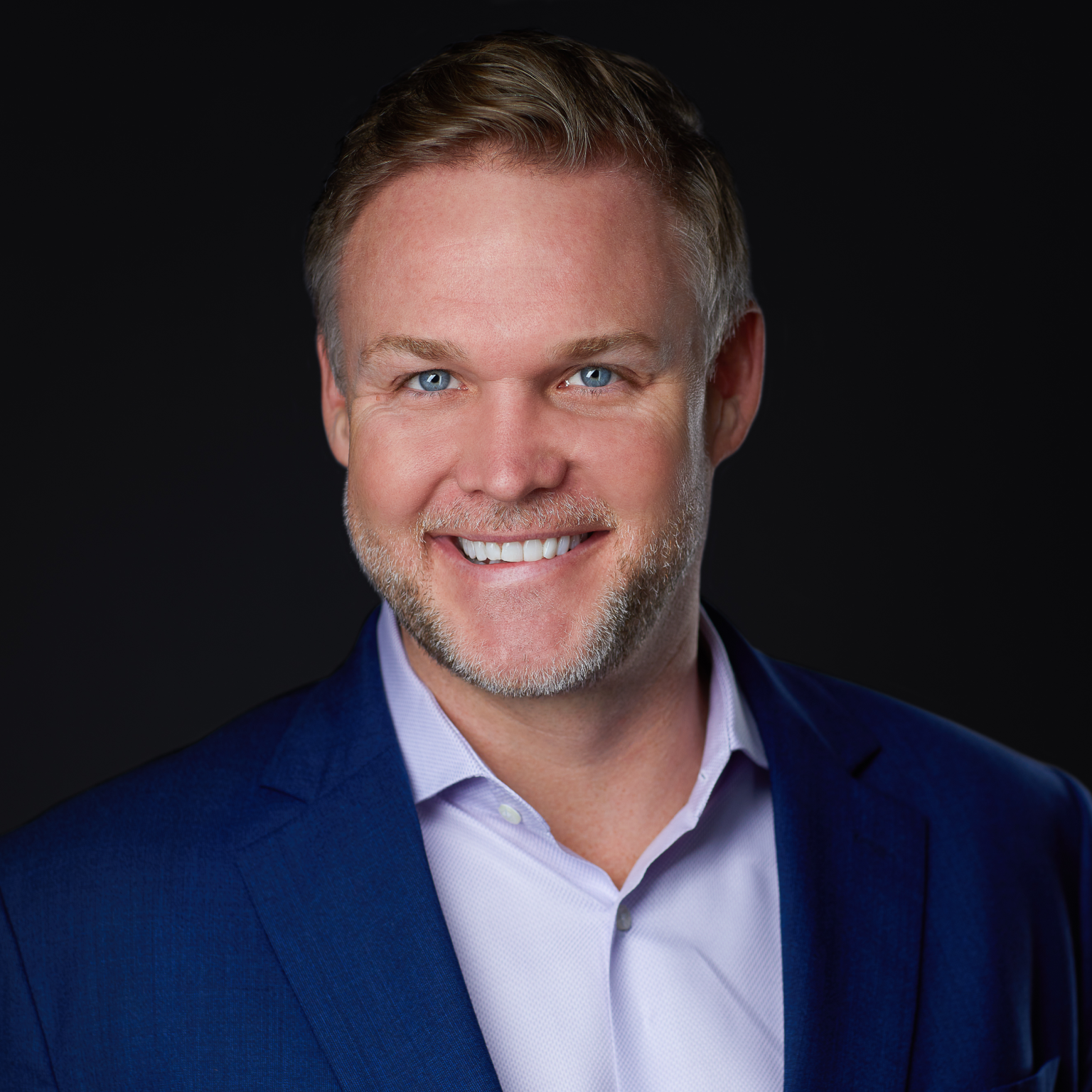
Alex Goss, Co-Founder, Co-CEO and Managing Partner of NewEdge Advisors
Succession is not always a clean, linear story. Take Alex Goss of NewEdge Advisors. His father, Jerry, had a successful advisory practice before selling to a wirehouse. But Jerry was not happy with the arrangement and wanted to retire.
“A close friend who was familiar with the industry said to me: ‘Don’t let your dad just retire. You’ve got to help him figure out a better solution. He created too valuable a business to just walk away from it,’” Alex Goss said.
So Alex Goss, who at the time had no experience as an advisor, wound up buying a separate practice from a wirehouse and brought his dad on board. Together, they built a business that oversaw more than $1 billion in assets under management (AUM), which gave them the resources to start NewEdge. Today, the company’s AUM is $34 billion.
“My dad got a little bit older and wanted to take a little more time off,” Alex Goss said. “So we spent a lot of time thinking about the best ways to help him take some chips off the table and get some time back to enjoy retirement.”
Jerry Goss ultimately sold 80% of his interest in NewEdge to Alex Goss and his partners. Under the arrangement, Jerry Goss was able to retain 80 of his clients. He now works two days a week.
“The benefit of this business is that it’s not an all-or-nothing proposition,” Alex Goss said. “It’s different for everybody. Some people want to be completely out in 12 months. Others want to be out in five years, and others want to stay in the game as long as they can, but not have as much pressure as being full-time. Working with my dad has been one of the highlights of my life. So however it happens, if I am able to find a path that allows me to work with my kids, I would feel blessed and welcome it.”
“There’s not a right answer for everything,” he continued. “It really starts with ‘what do you want?’ Are you trying to maintain your business, your brand, your legacy far beyond your involvement in it? Do you want to sell part of it but still work as long as you possibly can, like my dad did? Or have you built something your entire career, had an incredible run, and now it’s time to let somebody else take it? Those are the big questions you need to ask yourself.”
With the who in mind, a founder or owner should write and rewrite these three core elements of defining a legacy until they are crystallized:
✔️ Identify and clarify the core values and principles that guide the business. This will serve as a foundation for discussions with buyers, successors, employees and family.
✔️ Create a personal mission statement outlining their long-term vision personally and professionally, including charitable intentions and the purpose of the wealth.
✔️ Name the things they want to preserve through a sale, internal succession or minority investment. Examples could include the firm’s name, keeping family members and other staff in leadership roles, retaining key clients or maintaining a presence in the community.
Step Two: Assemble Your Team
Before approaching a buyer or getting a valuation, a founder or owner needs to assemble a team of experts for legal, tax and estate issues. Founders and owners shouldn’t wait to call the experts when it’s time to paper over a deal structure. Legal, tax, regulatory and inheritance guidance comes first. If they come later, it’s no longer planning, just execution, and can cost the seller in many ways, financial and otherwise.

Andrew Melnick, Partner and Co-Chair, Financial Services Practice, Davis Wright Tremaine
“Buyers and sellers should look for attorneys with RIA/wealth-management M&A experience, strong regulatory, tax, and employment expertise, proven negotiation and drafting skills, and a track record in client-transition strategy and post-close integration,” said Andrew Melnick, Partner and Co-Chair, Financial Services Practice, at Davis Wright Tremaine. “Practical experience with cybersecurity and privacy issues is a plus.”
Legal counsel must help founders and owners plan far in advance for the right answers to these questions, not just answer them when they arise:
✔️ What assets are being sold and what are excluded?
✔️ Who is responsible for defending and paying legal claims made after closing?
✔️ What is the payment structure and formula?
Legal counsel should have experience in financial advisor succession transactions and knowledge of the regulatory framework to prevent the deal from hitting an unforeseen regulatory issue.
The founder or owner also needs to develop a trusting relationship with the lawyers.
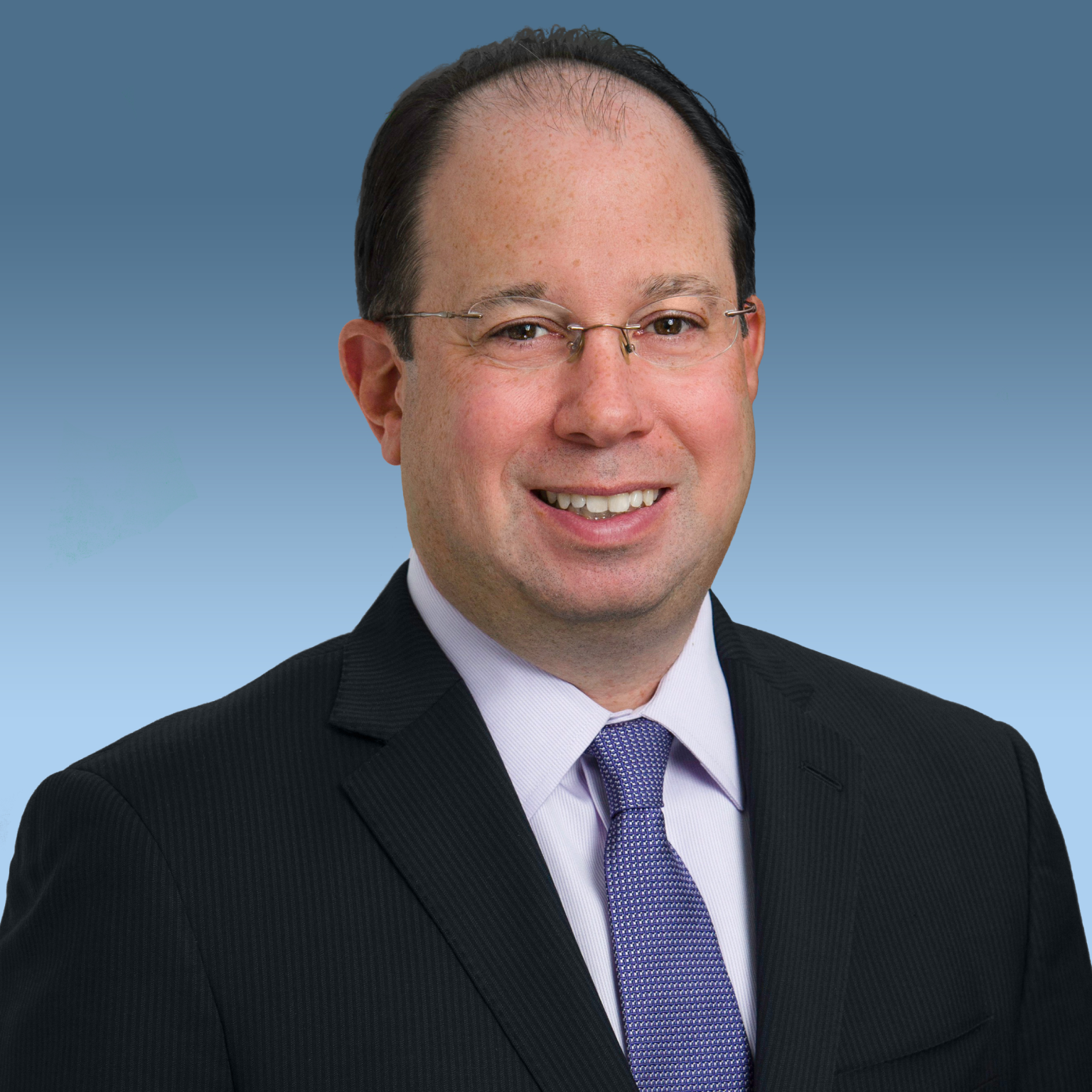
Craig Sklar, Partner and Co-Leader of Wealth Management Team, Seward & Kissel
“Your legal counsel is your partner, so you need to feel there is a personality fit and that they will be responsive, protect your interests, and be practical and solution-oriented,” said Craig Sklar, Partner and Co-Leader of the Wealth Management Team at Seward & Kissel.
Estates Counsel
In addition to legal counsel with expertise on deals, founders and owners must also find counsel who can help with the estate planning issues, because the succession plan often involves planning for spouses and family. This is a different area of expertise requiring a different lawyer, though these areas of expertise can sometimes be found at the same firm.
Tax Planning
In addition, careful tax planning is required to ensure that the deal structure is tax efficient. The tax planners must also have experience with financial advisor succession.
The entire team of experts must work together and communicate frequently to coordinate across these overlapping areas.
Step Three: Choose A Deal Structure That Accomplishes Your Vision
Working with the experts, founders and owners need to decide the best path forward to accomplish their vision, both for their firm and personally. While each deal is unique, most will fall into the four categories below:
1. Maximum Payout And Quick Exit
For founders and owners whose primary goal is liquidity – funding retirement, philanthropy or a new business – the most common path is a majority or full sale of equity.
In these transactions, the advisor typically sells 70% to 100% of the business in exchange for a significant upfront cash payment, often supplemented by an earnout tied to revenue retention or growth over a defined period.
In this model, founders and owners need to identify buyers who also meet their non-financial expectations, which may include:
✔️ Does the buyer have the capacity and infrastructure to serve clients properly?
✔️ Do they have younger advisors who can support clients as their needs become more complex?
✔️ Does the buyer itself have a thoughtful leadership succession plan?
✔️ How have they handled similar acquisitions?
✔️ What is their record in treating clients and teams post-transaction?
Typical buyer: Private equity-backed RIA, national consolidator or large strategic buyer.
Pro: Straightforward deal that offers maximum payout in a short period of time. Transfers all operational and legal risk to the buyer.
Con: Advisors must emotionally accept the idea of fully relinquishing their business to an outside entity.
“Most advisors spend 30 to 40 years building their practice – and in some cases, it’s been built over multiple generations,” said Joseph Lyons, Co-Founder and Wealth Advisor at VestGen Wealth Partners. “For many, the business feels like their child. They’ve watched it grow from the early days, through success, and into something that can stand on its own.”
“The closest analogy I can think of is letting a child go off to college or watching them get married and start a life of their own,” he continued. “It’s emotional because you’ve poured so much time, energy, and care into it. The key mindset shift is knowing the business is in capable hands because you’ve chosen the right partner to carry it forward.”
The Emotional Cost Of Letting Go
2. Founder Stays Involved
Many founders and owners will want a much slower transition that keeps them involved in the day-to-day of the firm for years to come. They might sell a controlling interest upfront while retaining a meaningful minority stake – 20% to 40% – and continuing in a revenue-producing or mentoring role for several years.
This structure typically blends cash at close, rollover equity and performance-based earnouts. The retained equity allows the selling advisor to participate in future business growth, while the larger platform provides infrastructure and succession support.
In a variation on this theme, some founders and owners may only look to sell a minority stake with a plan to capitalize enough to fuel growth at the present time with an eye to a much higher valuation down the road after growth is achieved.
Typical buyer: Strategic partner, private equity–backed platform.
Pro: The advisor’s continued role with the firm eases client worries and strengthens client retention.
Con: In exchange for partial control, the advisor will receive a lower payout. Advisors also risk staying too long and disrupting the transition to the new owner.
Staying Too Long Can Complicate The Transition
“Advisors’ instinct is to try to stay around longer than they probably should,” Alex Goss said. “If you found a good buyer group, they probably have some new tricks up their sleeve, some extra services that are going to be really valuable to the clients. Hopefully it's an enhanced experience. So the more you stay in the way, the less you can let the successor take over and start to really develop their relationships with the clients in a meaningful, genuine way. In an effort to take care of their clients, sometimes advisors mess up or they make the transition more difficult.”
“A lot of times I see advisors get to a place where they want to retire,” he said. “They know they want to retire, but they don't know what they want to do after they retire. That can cause cold feet close to the transaction date when it's actually about to happen. They're like: ‘Oh crap! What am I actually going to do with my life? Wait a second, maybe I don't want to retire. Can I stay around?’”
3. Internal Succession
Founders and owners concerned about stability and continuity will find this deal structure useful, as a firm’s existing advisors best understand the firm’s mission, strategies and culture.
In this model, a founder gradually sells equity to second-generation (G2) advisors over time, often financed through a combination of seller notes, bank loans, firm cash flow or specialized RIA lenders. Buy-sell agreements typically define valuation methodology, payment schedules and triggering events such as retirement or disability.
However, many G2 advisors cannot afford to buy the business, even with outside financing. And often the planning work for the transition isn’t done, leaving uncertainty that makes the potential successors a flight risk. According to the Kestra survey, among G2 advisors who believe the first generation is prepared to retire, nearly 75% plan to stay. Among those who do not, that figure falls to just 30%.
Typical buyer: G2 advisors, employees.
Pro: The firm continues to operate with minimal disruption.
Con: G2 successors might not be ready for leadership or able to afford the purchase. They may also be discouraged by a lack of planning. Internal transactions often rely heavily on seller financing, which can delay liquidity and expose the founder or owner to repayment risk.
4. Family Succession
In many firms, the G2 advisors are the adult children of the founder or owner. Keeping the company in the family ensures a measure of continuity and legacy and allows the advisor to keep watch – at least from a distance. However, succession requires careful estate and tax planning to avoid unintended consequences among heirs.
Transactions may involve partial gifting of shares over time, installment sales to family trusts or combinations of sales and gifts designed to manage estate and tax implications. Non-voting and voting share classes are often used to transfer economic ownership while preserving governance control during the transition period.
Typical buyer: Family members, children.
Pro: Ensures the firm stays in the family. Allows the founder or owner to preserve some influence over the practice without getting too involved in daily operations.
Con: Like G2 advisors, family members might not possess the necessary skills and experience to run the company. Family dynamics can also complicate governance and blur professional boundaries.
Step Four: Determine What The Business Is Worth
One major advantage of planning for succession several years in advance is that it gives founders and owners the chance to make their business as attractive as possible to potential buyers.
Valuations depend greatly on the quality of revenues. The firm should have a diverse book of business, with no one client accounting for more than 5% of total revenue. A client base that spans life stages, professions and backgrounds signals durability and long-term growth – two qualities buyers reward.
Buyers will also look at the “stickiness” of client relationships, meaning the length of time clients have been with an advisor and the breadth of services they use, including asset management, tax planning and estate planning. Recurring fee-based services are a plus because they offer stable and predictable revenue.
At the same time, in an industry struggling with stagnant sales, buyers want advisors who demonstrate the ability to grow their business.
Here are some things advisors can do to boost the value of their business:
✔️ Diversify the client mix toward groups the industry has traditionally ignored, including younger people, women and people of color.
✔️ Groom a larger group of capable next-generation advisors who want to stay with the firm.
✔️ Offer both asset management and financial planning services. Ensure the asset management strategy is repeatable and not dependent on one individual who might leave the firm.
✔️ Install an integrated technology stack, including customer relationship management software and AI, that can help the business scale while meeting regulatory requirements.
Private equity investors, in particular, have emerged as aggressive buyers of advisory firms. A retiring founder or owner who wants maximum value can obtain a larger multiple. One who wants to preserve some measure of control may have to accept a lower multiple.
Step Five: Execute The Deal
Establishing Timelines
An orderly transaction often unfolds over several years. Founders and owners may spend the first couple of years strengthening operations, diversifying revenue, mentoring successors and assembling their advisory team. Formal negotiations, due diligence and documentation can take six to 12 months. Client transition and brand integration may extend another one to three years beyond closing.
In contrast, a rushed transaction – one triggered by illness, family emergency or sudden burnout – compresses those stages into months. Buyers sense urgency. Leverage shifts. Valuations can fall meaningfully if client concentration, documentation or leadership continuity are not clearly established.
Succession Favors The Prepared
The lesson is straightforward: Succession favors the prepared.
Succession planning is often framed as the end. In reality, it’s just the beginning.
Timelines, deal structures and valuations matter. But so do purpose, relationships and continuity. The founders and owners who navigate succession most successfully are those who treat it not as a transaction to complete, but as a future to design. And that requires thoughtful planning and careful preparation, years before the event actually occurs.
As Founder and CEO, Larry Roth guides Wealth Solutions Report's direction and provides wealth industry commentary. Founder and Managing Partner of Ascentix Partners and Senior Advisor at Berkshire Global Advisors. Former CEO of Advisor Group (Osaic) and Cetera. He can be reached at larry.roth@ascentix.com.
Joseph Kuo is the Founder and CEO of Haven Tower Group, which is a part of the Ascentix Partners Network, where he serves as Co-Founder and Managing Partner. Prior to founding Haven Tower, Kuo was Senior Vice President and Head of Public Relations at LPL Financial and a Partner at Kekst & Company (now Kekst CNC). He can be reached at jkuo@haventower.com.
Julius Buchanan is Editor in Chief of Wealth Solutions Report, covering wealth trends and leaders. A graduate of Yale Law School, he previously practiced law at Latham & Watkins, Davis Polk, and Citi Private Bank, and served as a policymaker at Singapore's Monetary Authority. He can be reached at julius.buchanan@wealthsolutionsreport.com.
Thomas Lee, Senior Editor and Staff Writer at Wealth Solutions Report, has written for The Boston Globe, Minnesota Star Tribune, San Francisco Chronicle and Harvard Business School. He is author of business books on Bruce Lee and retail transformation. He can be reached at thomas.lee@wealthsolutionsreport.com.
Planning Succession Beyond the Transaction
Please contact us if you'd like to stay informed on our latest thoughts and insights on succession, continuity and long-term growth.